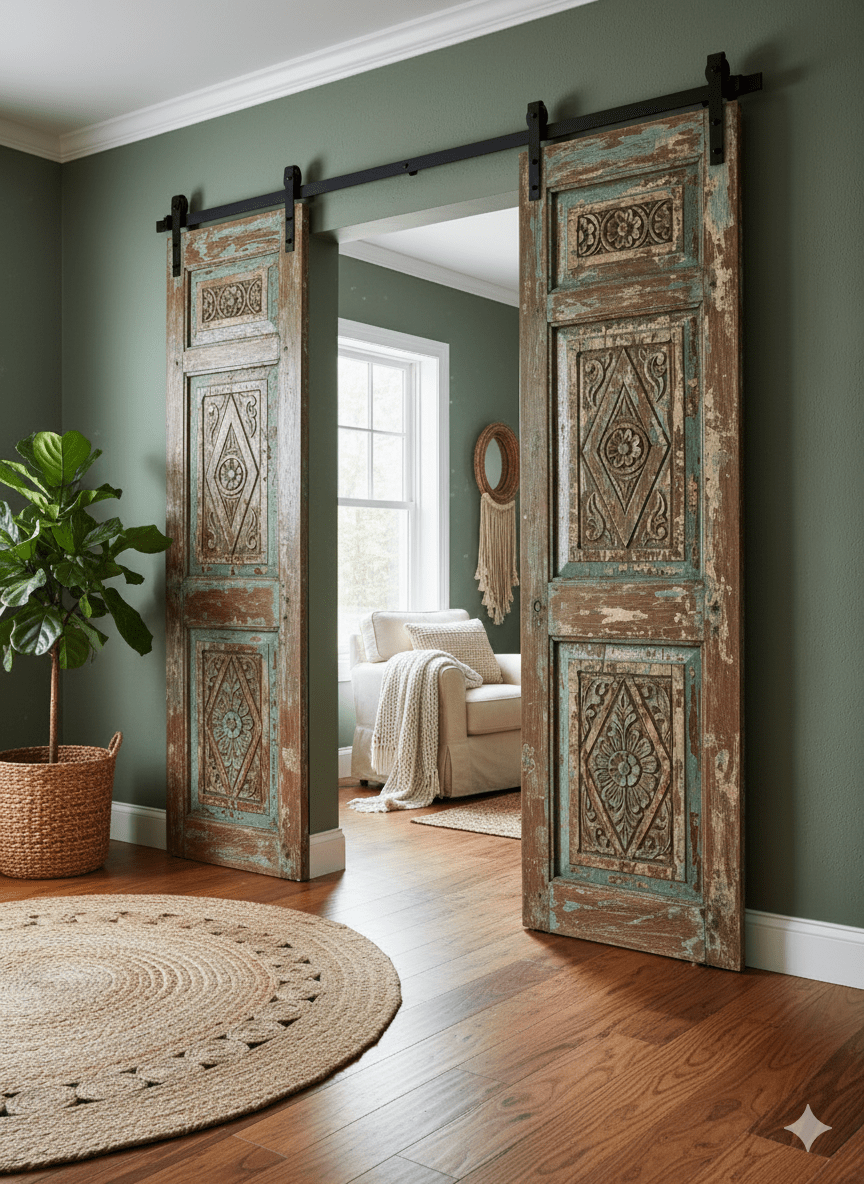
In the world of interior design, trends come and go—but patina is timeless. The soft sheen, layered colors, and textured surface that develop on aged carved woods tell a story no factory finish can replicate. For designers, collectors, and homeowners alike, patina has become more than just a sign of age—it’s a mark of authenticity, character, and artistry.
What Is Patina?
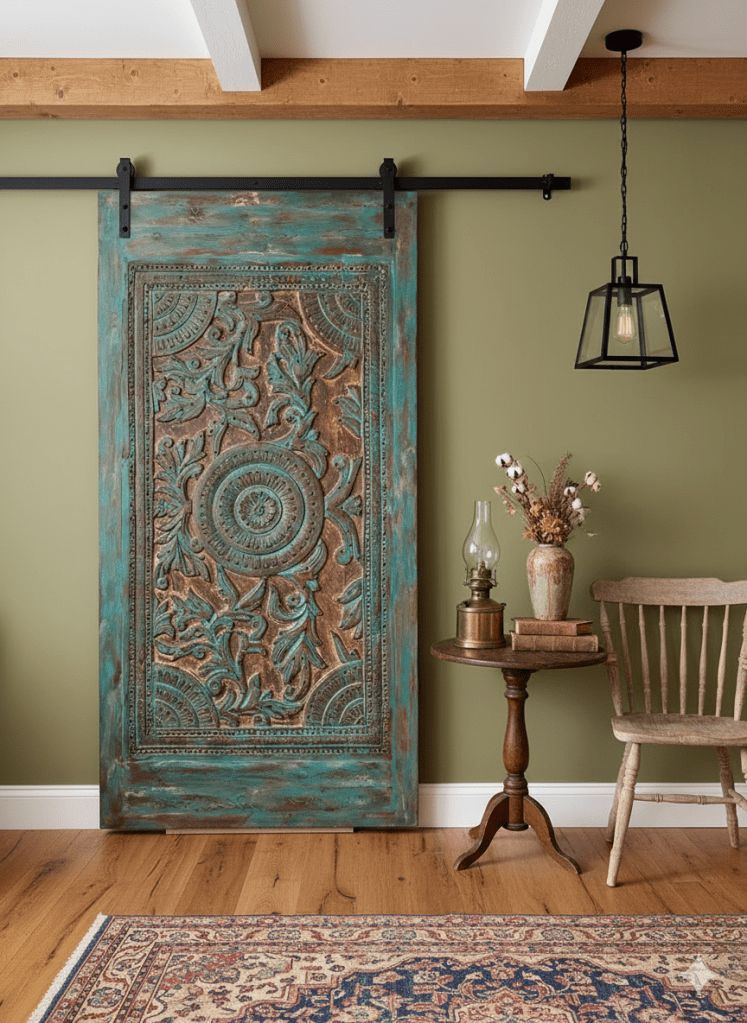
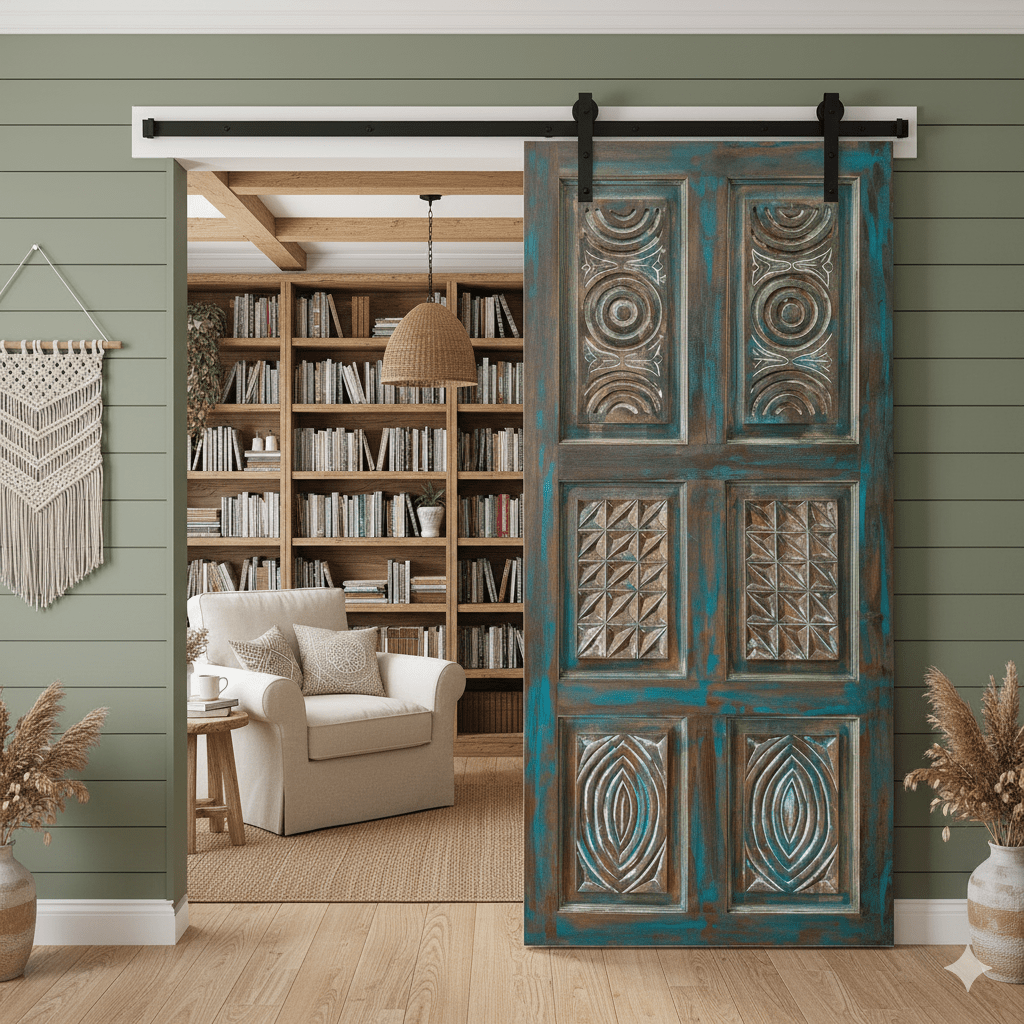
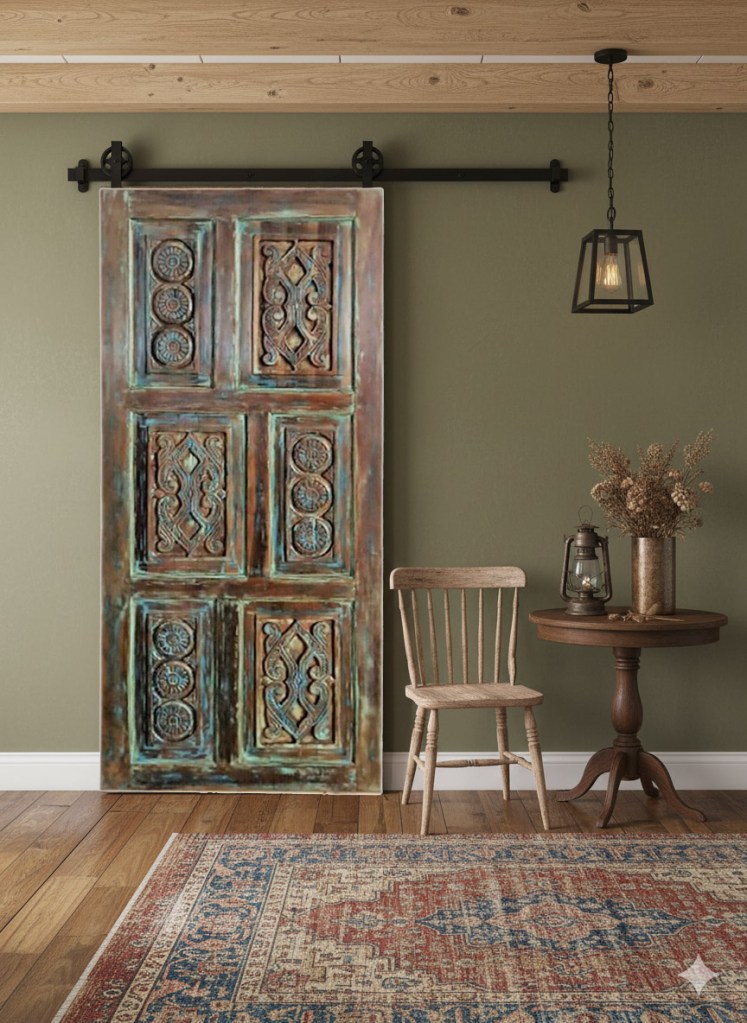
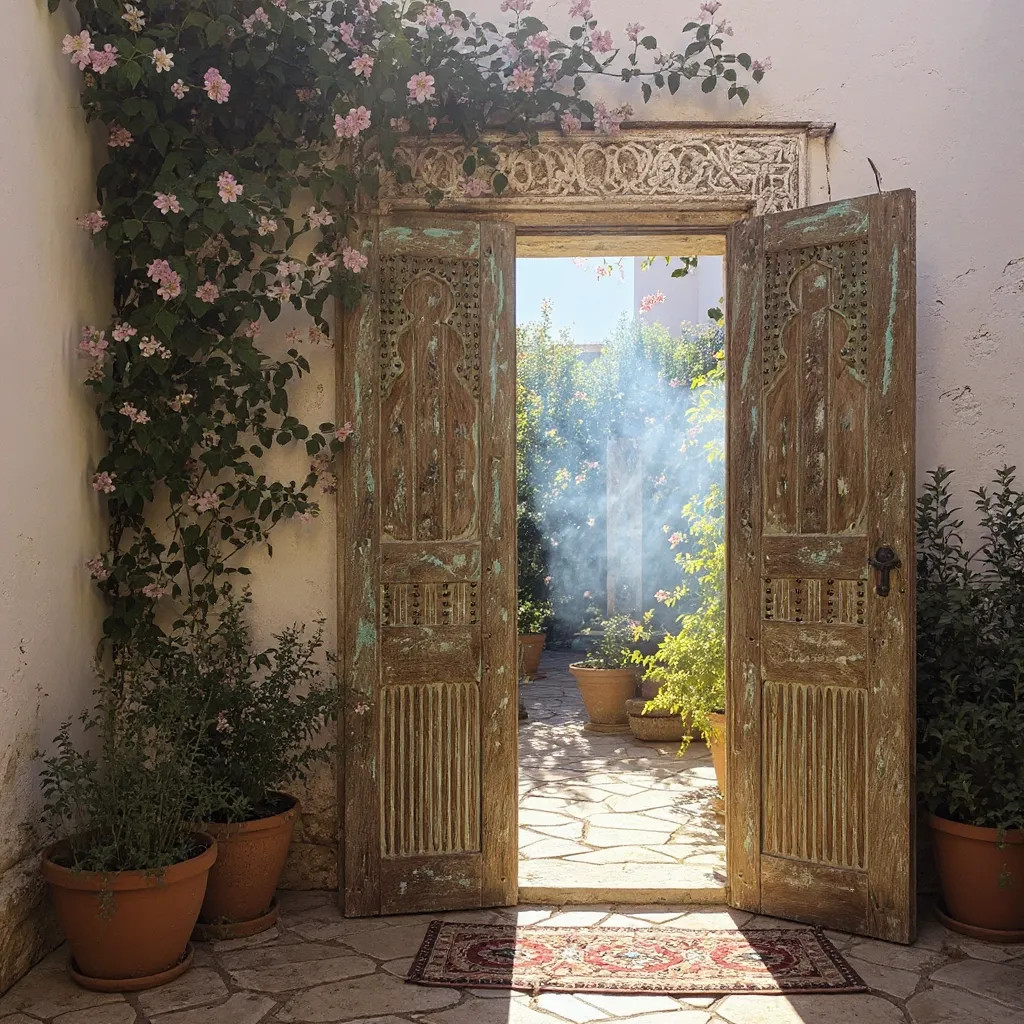
Patina is the natural aging process of wood and other materials, shaped by time, use, and the environment. Sunlight, moisture, touch, and even the passage of air over decades create unique layers of color and texture. On carved doors and antique furniture, patina highlights the depth of the craftsmanship, making the carvings more pronounced and the details richer.
Why Designers Value Patina
- Authenticity – Patina reflects history and heritage. A carved barn door with a centuries-old patina carries with it the energy of palaces, temples, or ancestral homes.
- Depth & Warmth – Unlike flat modern finishes, aged wood offers tonal variation and texture, bringing warmth and depth to interiors.
- Sustainability – Reclaimed and repurposed doors with original patina give new life to existing materials, aligning with today’s eco-conscious design movement.
- Uniqueness – No two aged surfaces are alike. Each carved panel or vintage barn door has a one-of-a-kind finish, impossible to mass-produce.
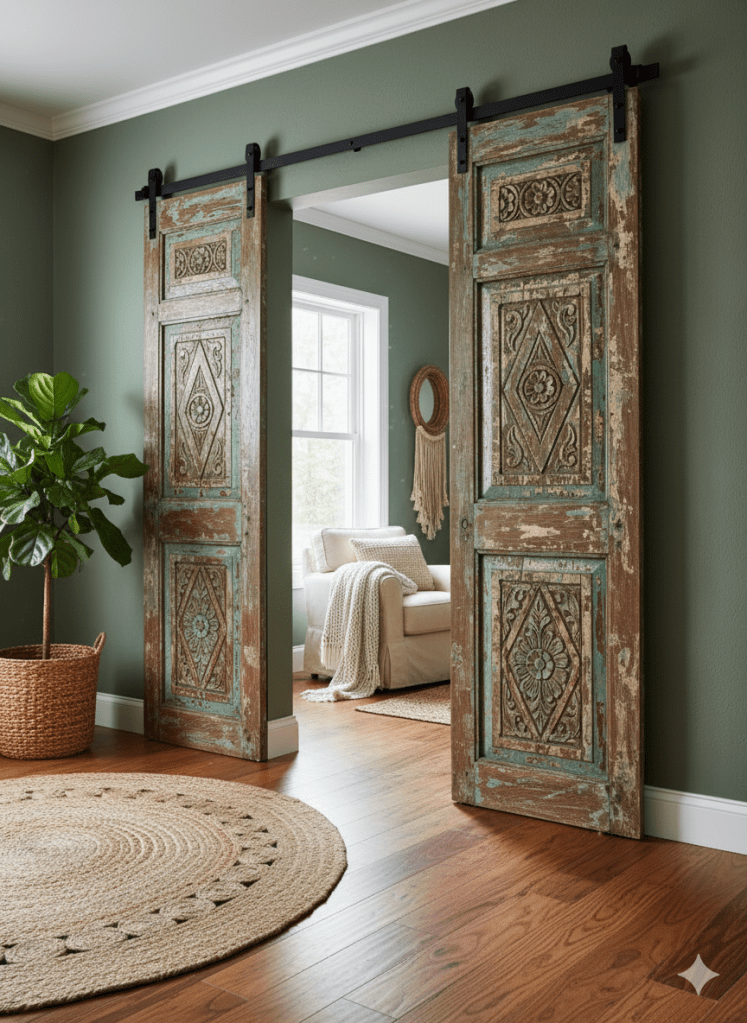
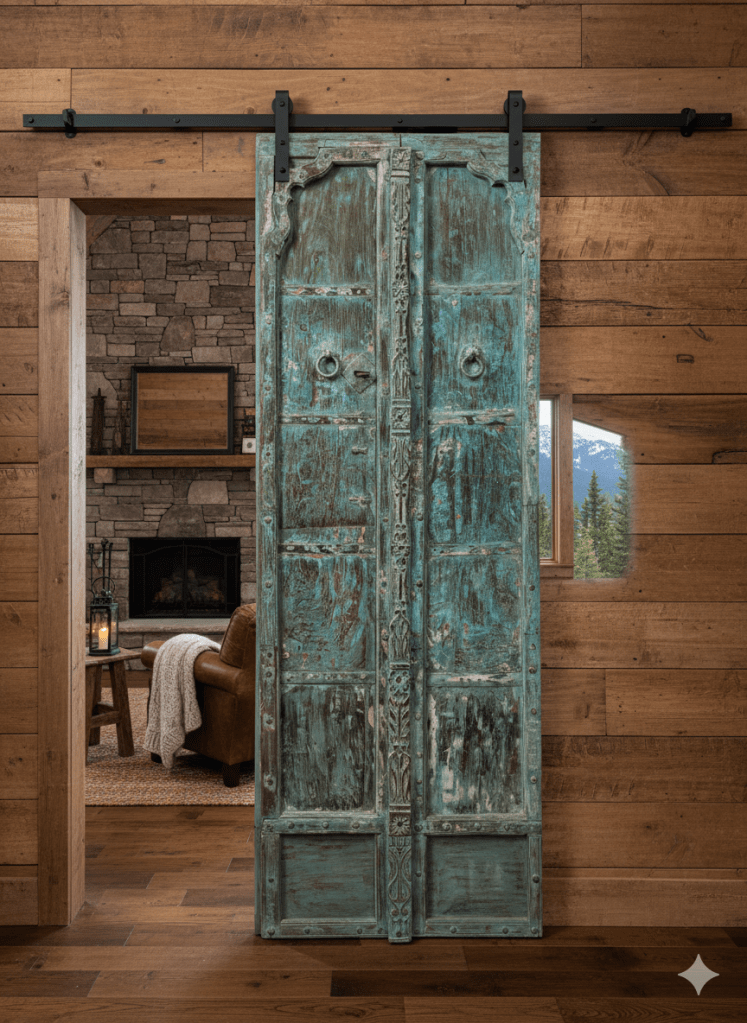
The Aesthetic Power of Aged Carved Woods
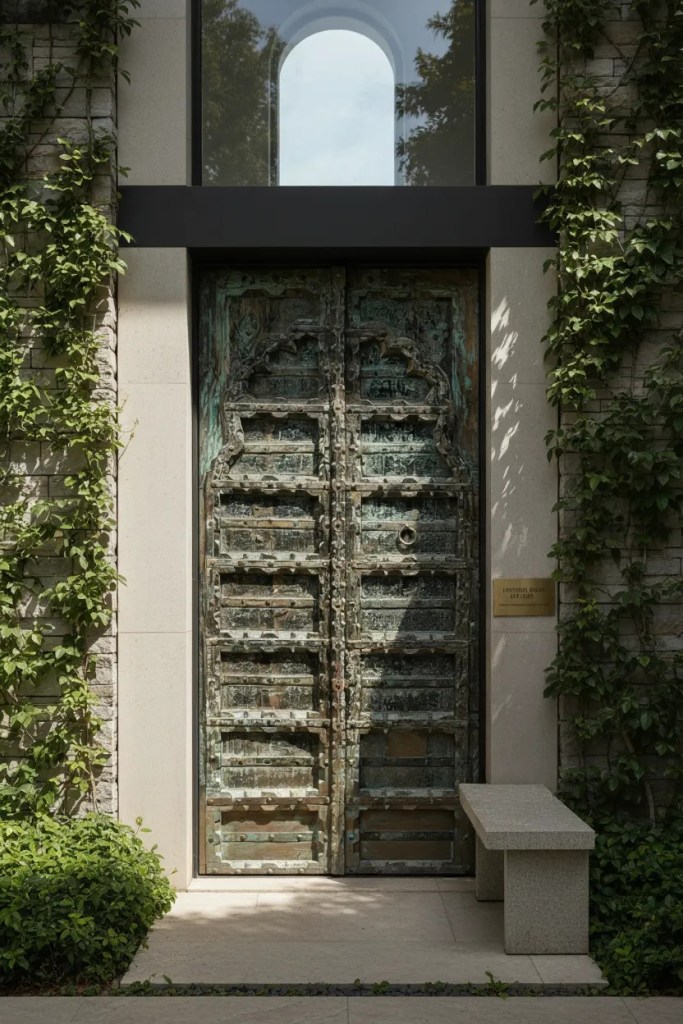
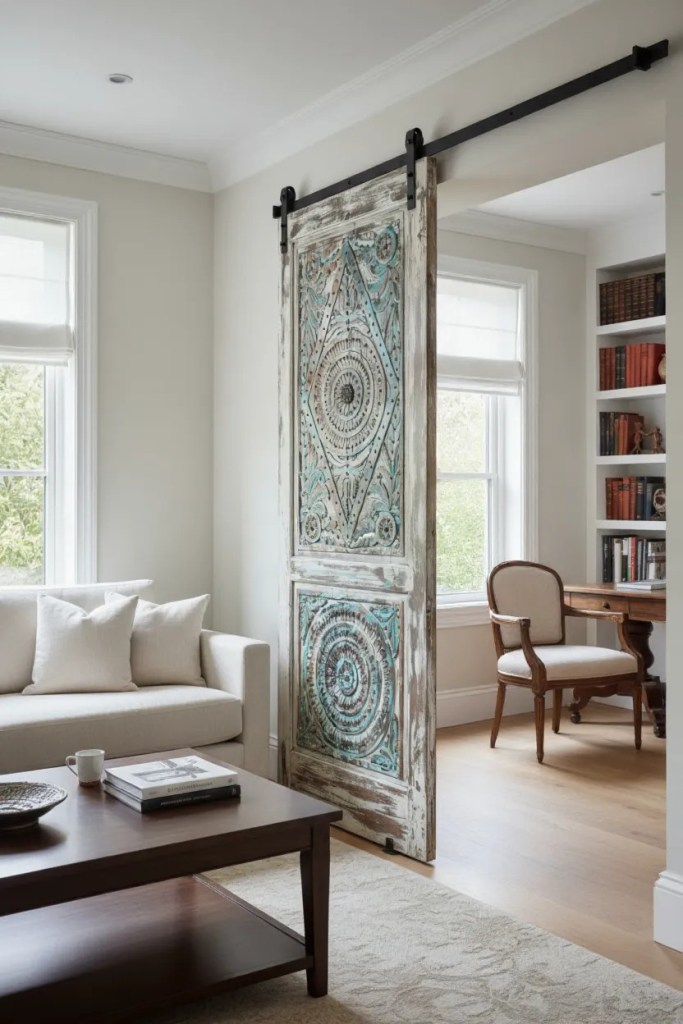
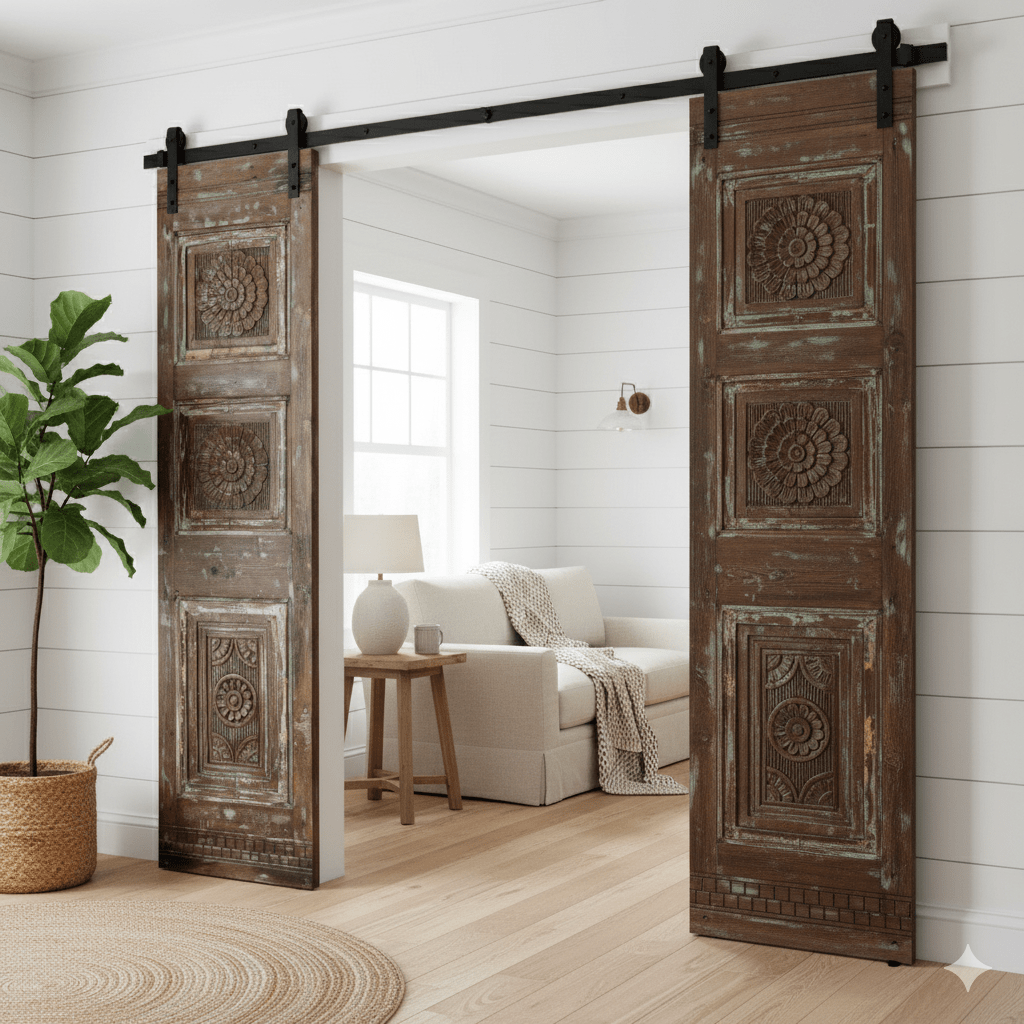
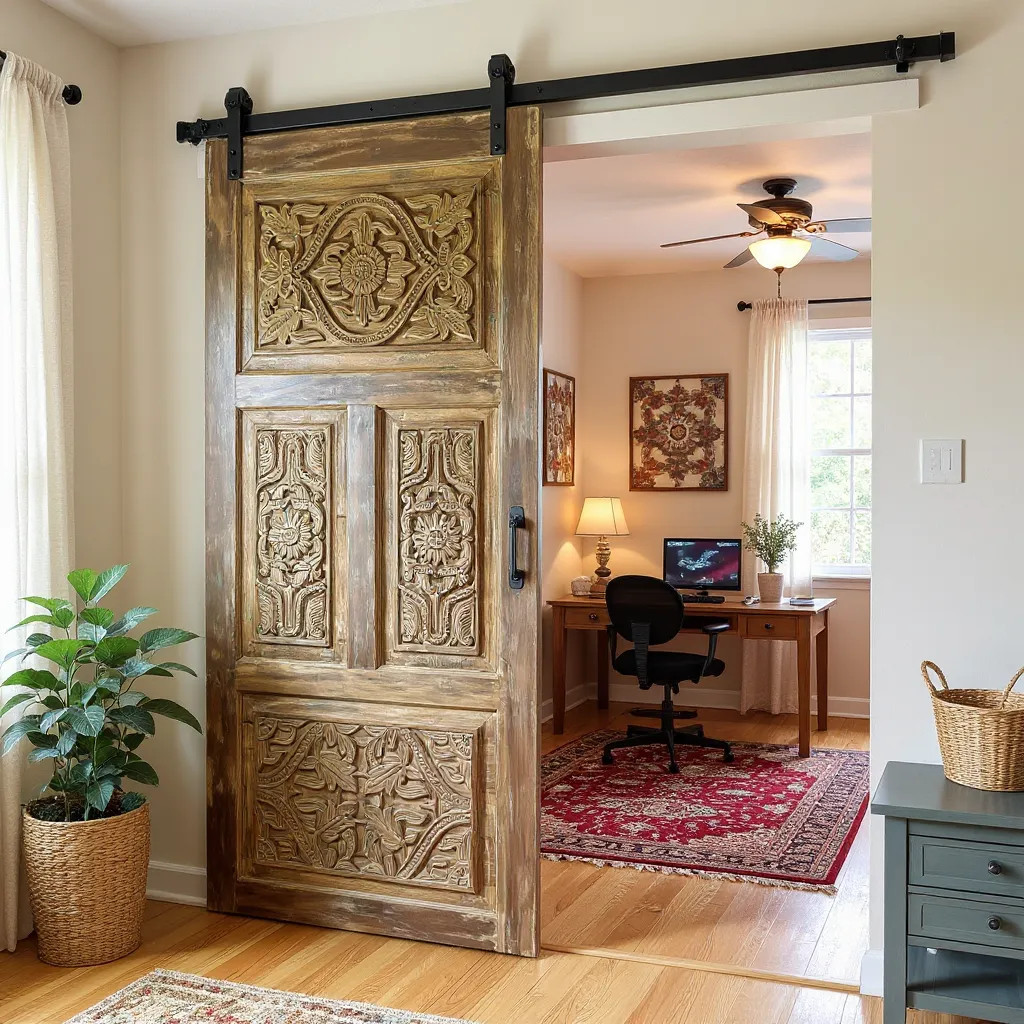
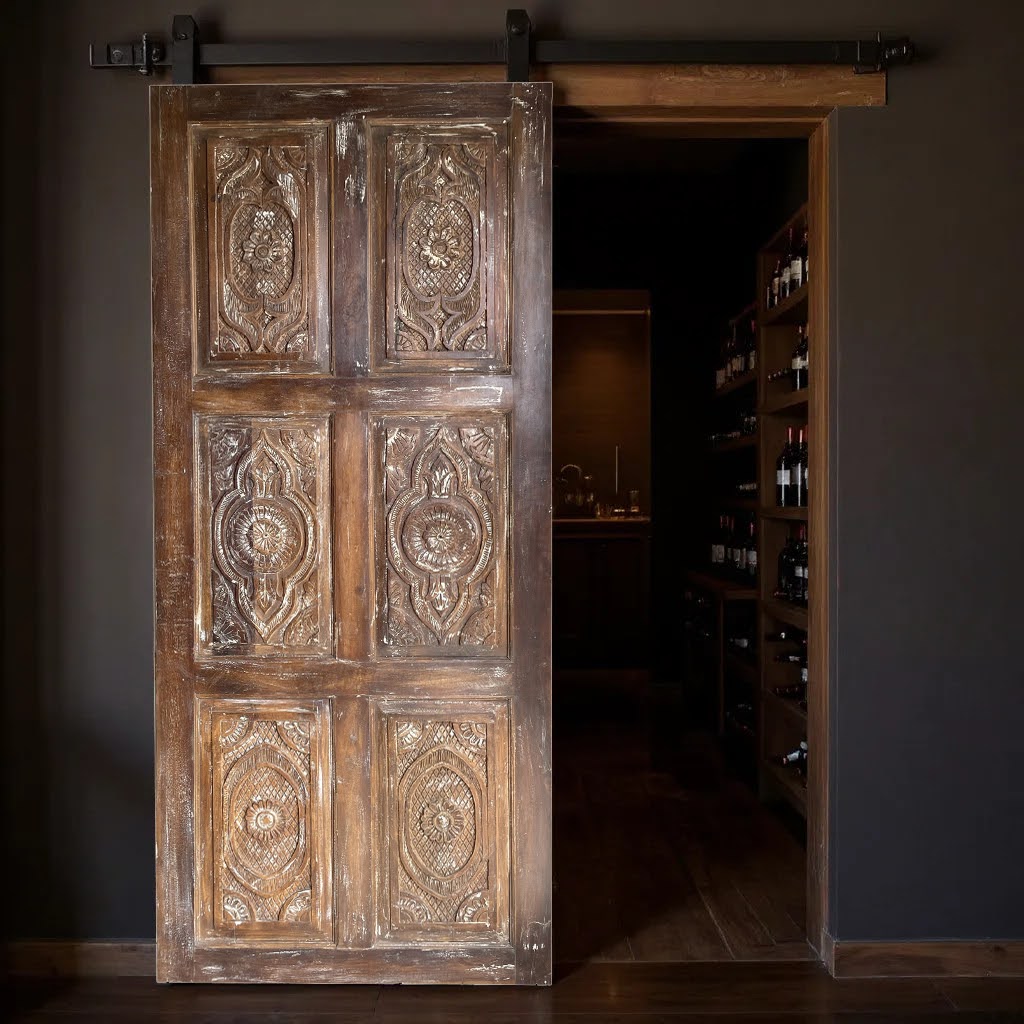
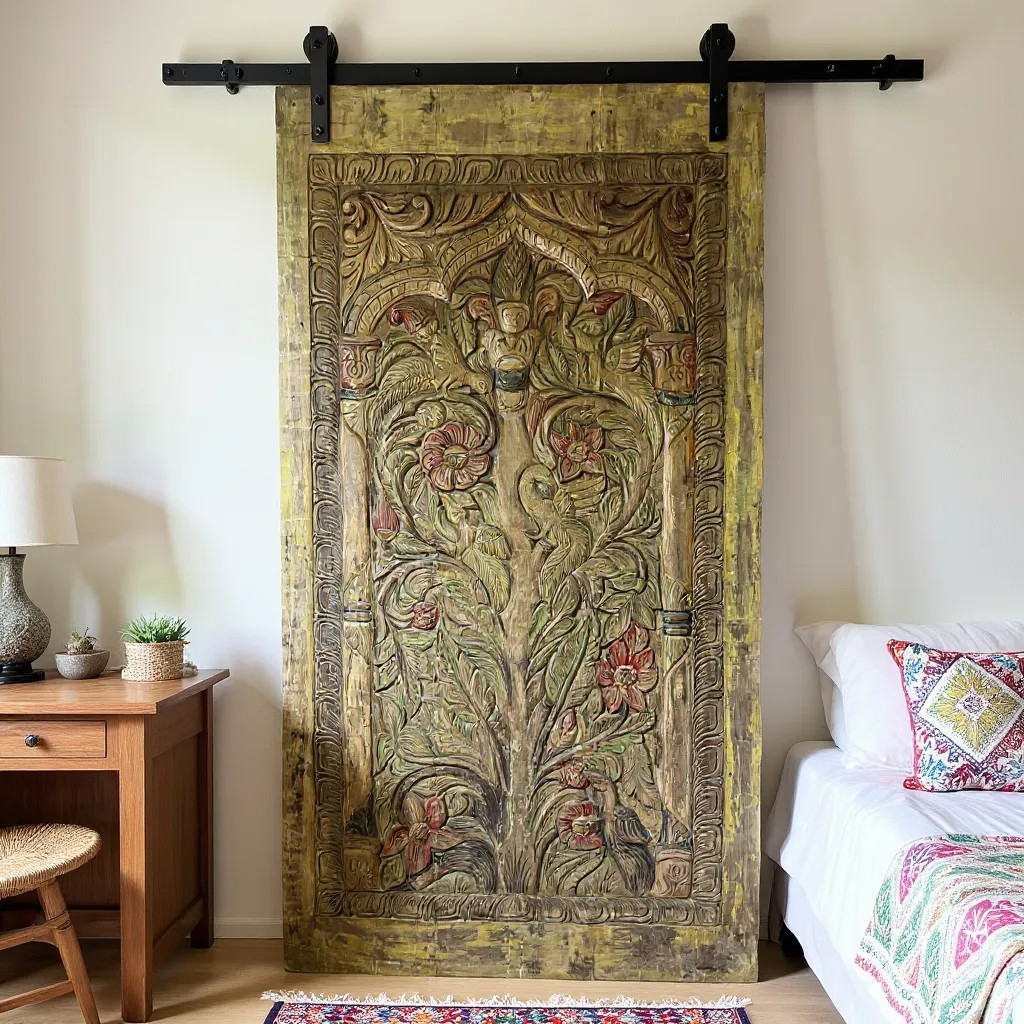
When used in interiors, patina creates contrast. A vintage carved door set within a modern minimalist entryway immediately becomes a focal point. In living spaces, aged panels repurposed as wall art bring cultural depth and character. Designers often highlight these pieces precisely because they soften sterile environments, grounding homes with a sense of history.
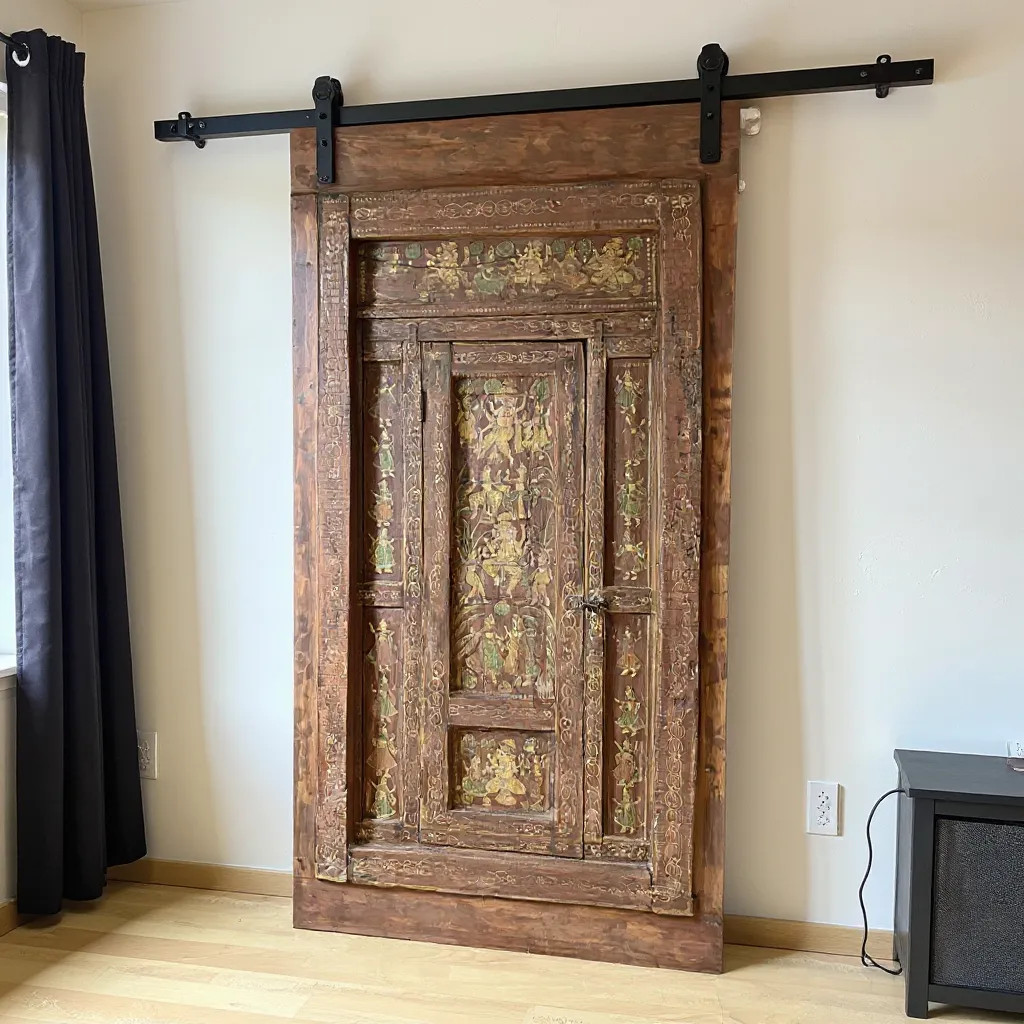
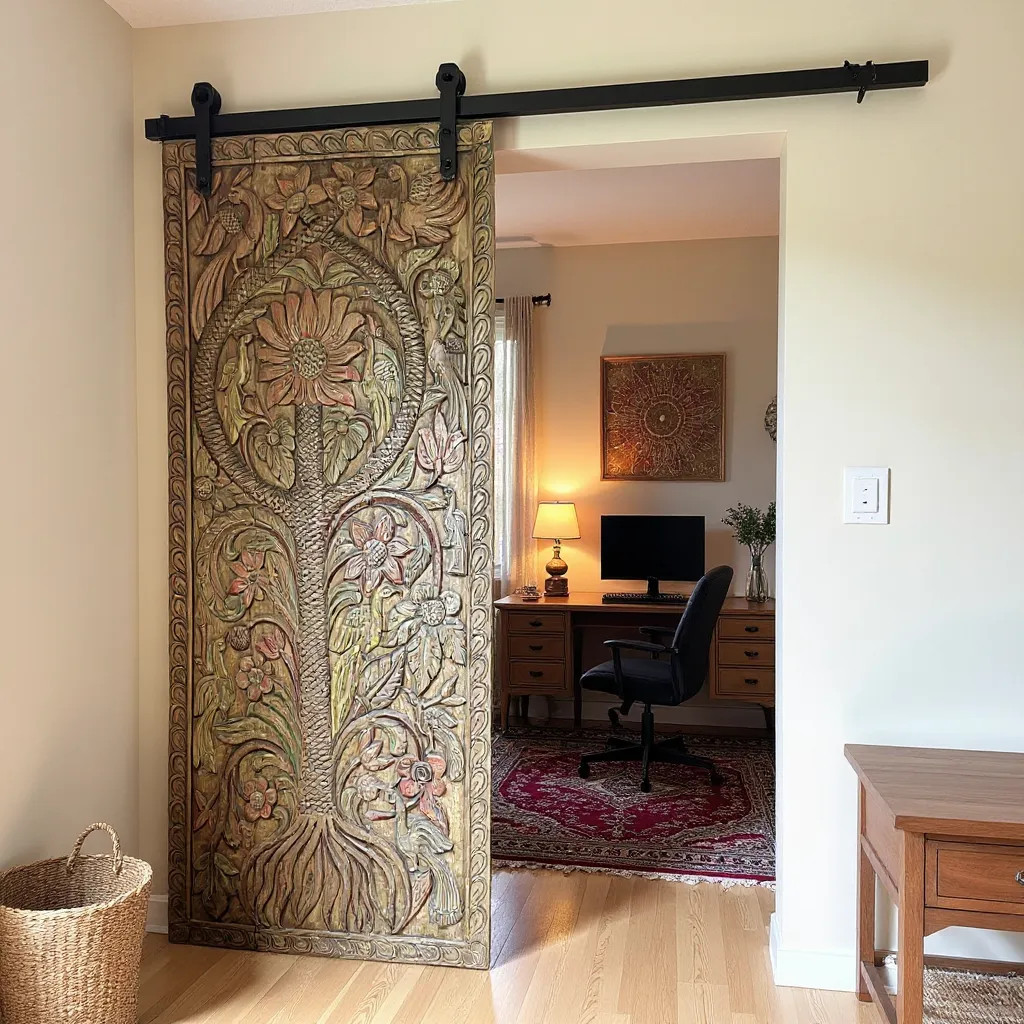
From Palaces to Modern Homes
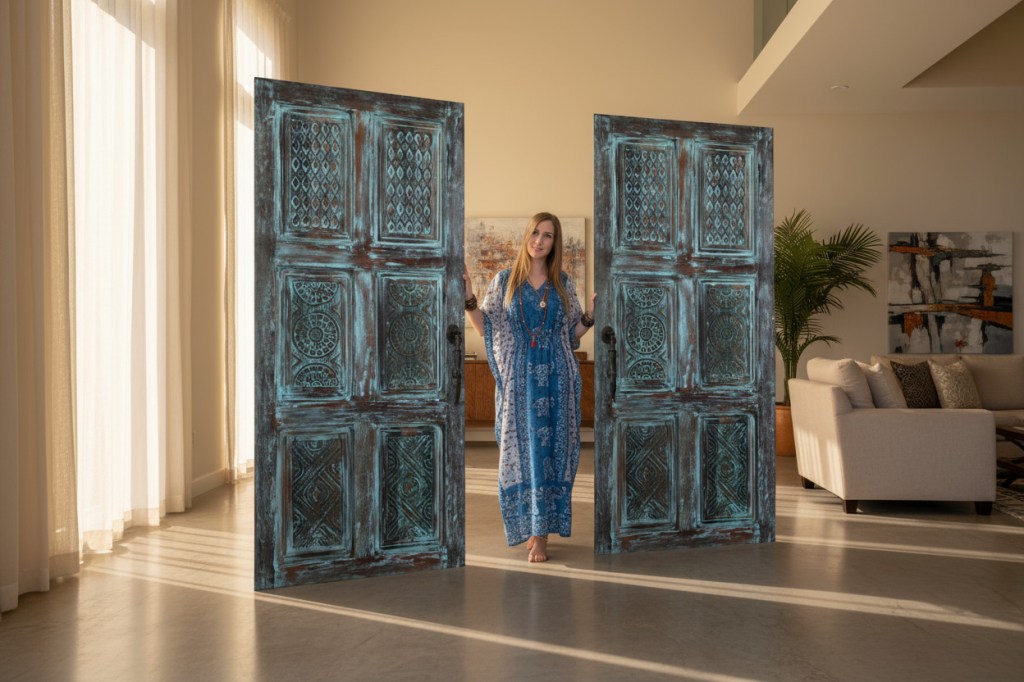
In collections like the Heritage Revival Furniture Collection and Nature’s Harmony Doors, patina isn’t polished away—it’s preserved. Palace doors, fortress gates, and rustic barn doors are carefully restored without stripping away their original layers of history. This balance between preservation and adaptation allows antique woods to fit seamlessly into contemporary homes while retaining their authenticity.
Patina as a Philosophy of Living
Designers aren’t the only ones embracing patina—homeowners are, too. It reflects a philosophy of mindful living: celebrating imperfection, valuing what is timeworn, and embracing the beauty of natural aging. Just as patina reveals the life of wood, it reminds us that beauty often comes with history and resilience.


 Royal Bohemian Luxe