
A well-designed space can foster tranquility, increase productivity, and enhance our quality of life from the moment we step inside, engaging all our senses. This transformation is largely due to the rhythmic flow and harmonious balance within the design, which can evoke emotions and positive feelings, making us feel more at ease and focused. Color palettes, furniture arrangements, and spatial dynamics all contribute to creating an atmosphere that promotes well-being. In this article, we will examine the significance of rhythm and harmony in interior design and how they impact the creation of our environments, considering elements such as light, texture, and scale, which work together to form cohesive spaces that resonate with their inhabitants.



Rhythm in Design
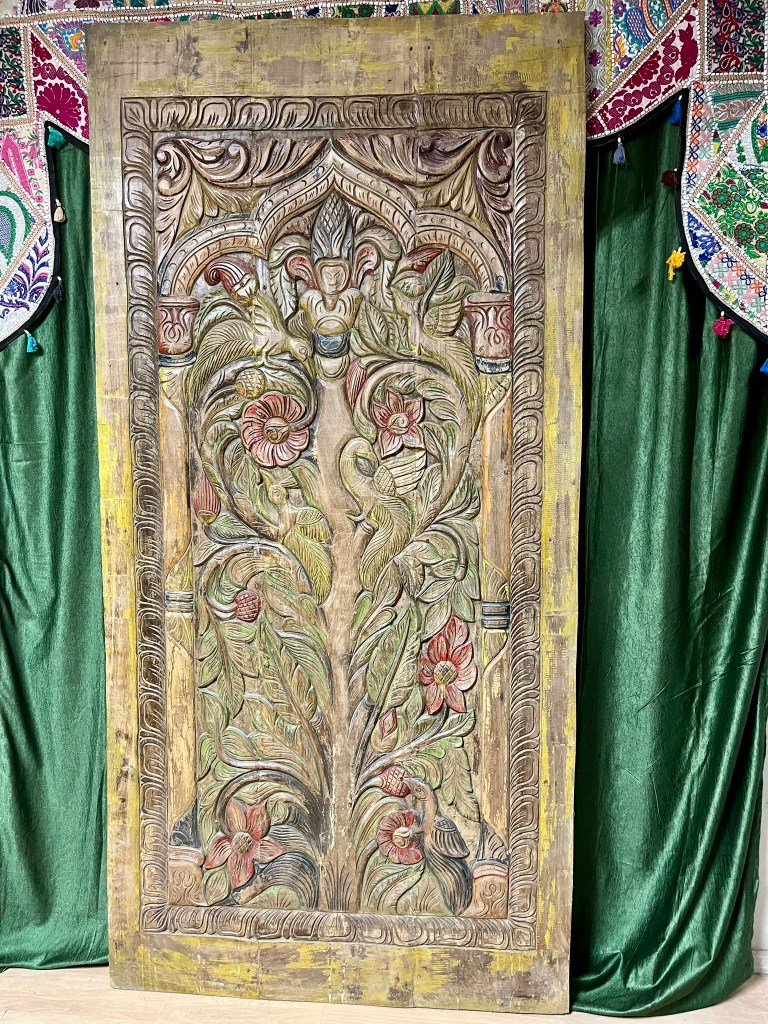
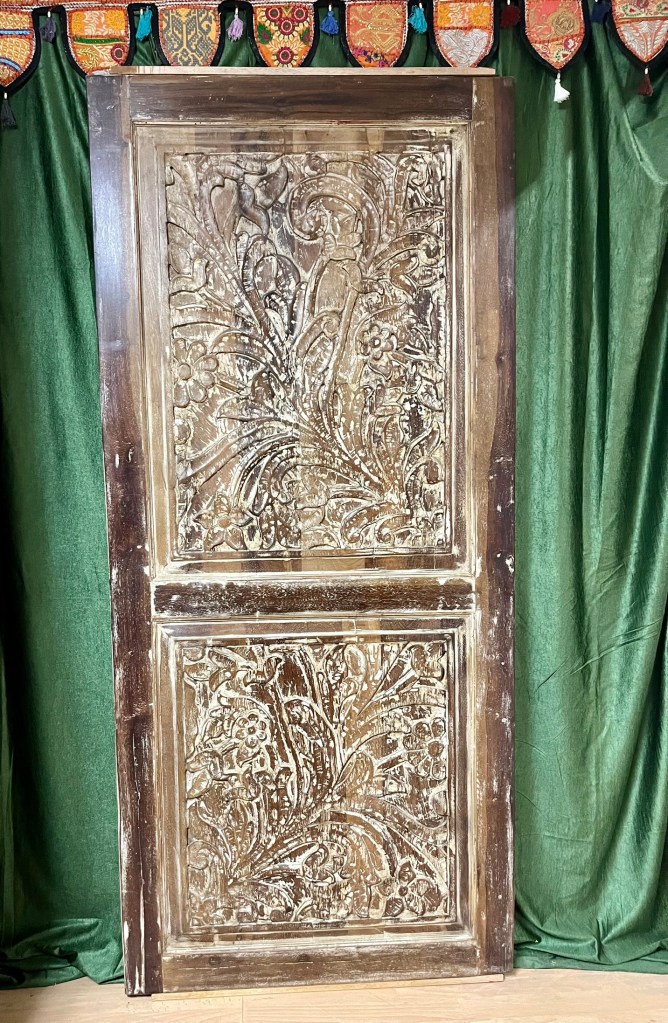
Rhythm in interior design refers to the repetition of visual elements in a structured manner. This can include patterns, colors, shapes, and textures that create a sense of movement within a space. When used effectively, rhythm can guide the eye through a room, creating a cohesive and dynamic experience.
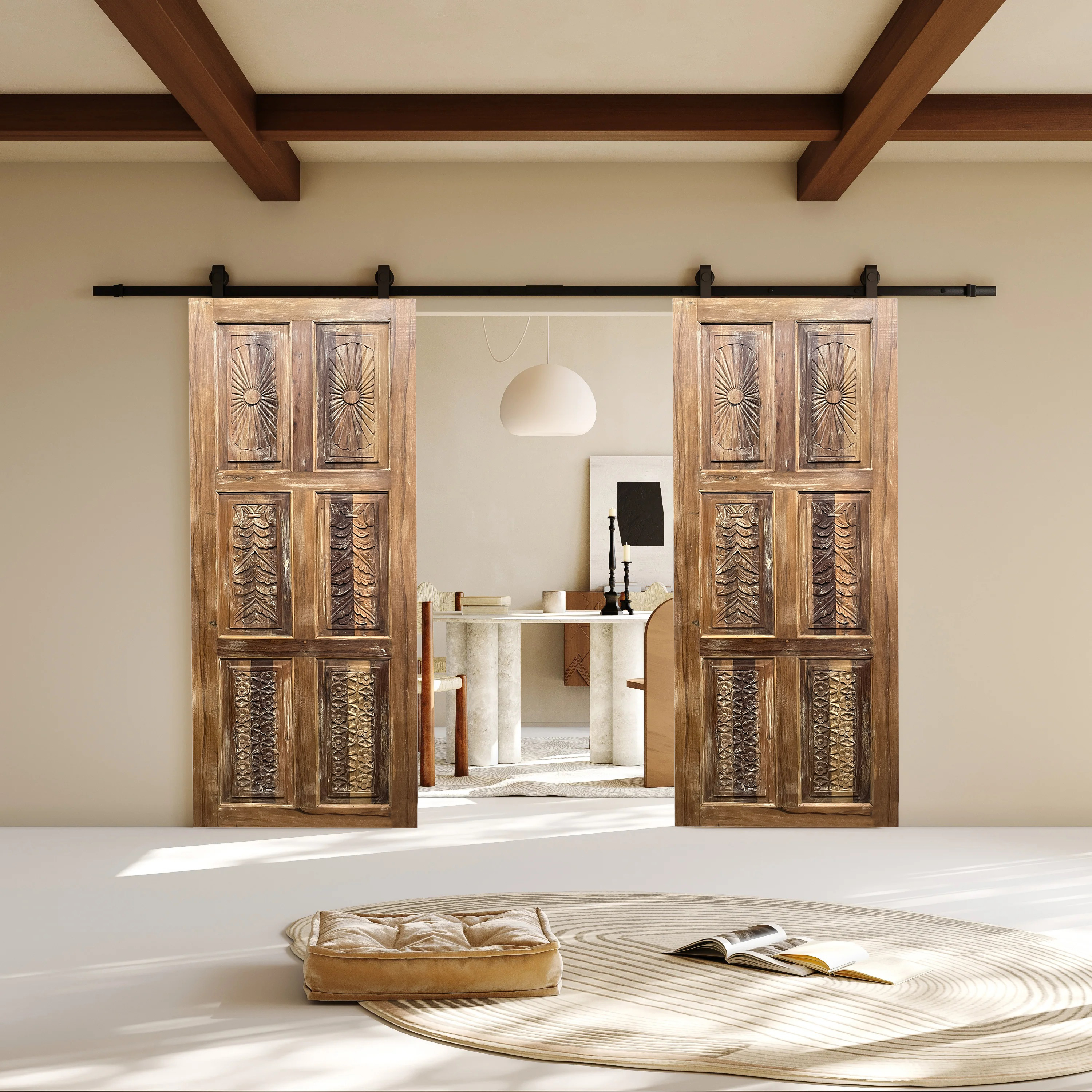
For example, a Champagne Gold Lotus Carved Sliding Barn Door can serve as a focal point, drawing attention and creating a visual rhythm that is both captivating and serene.


Harmony in Design
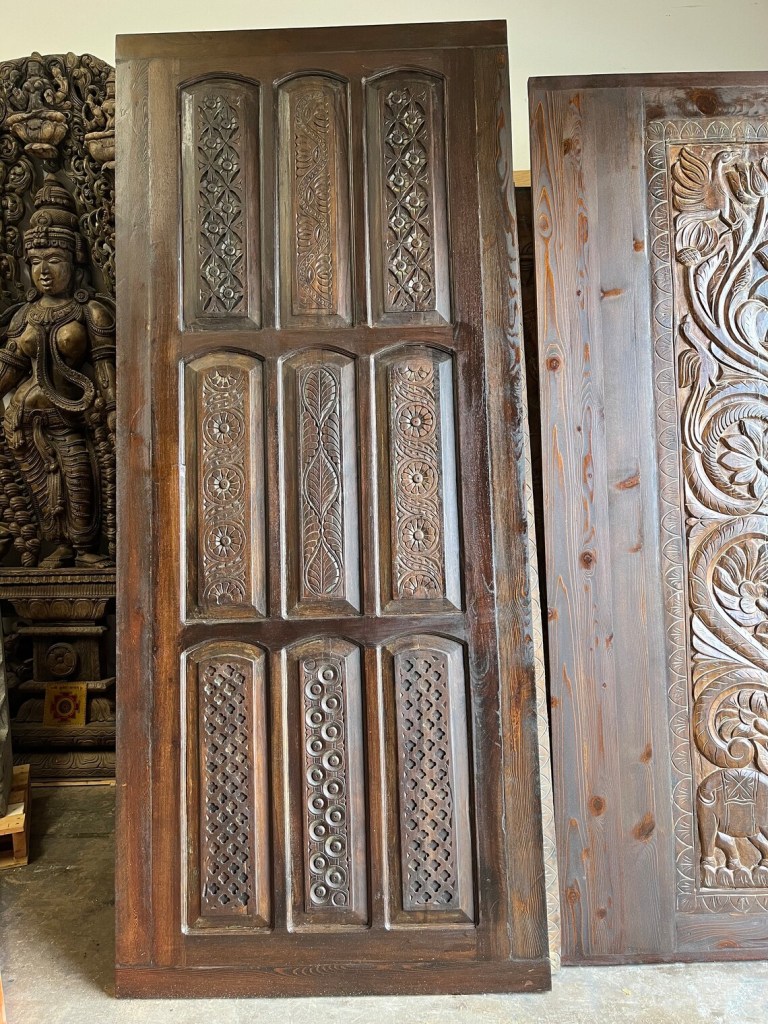
Harmony is achieved when all design elements work together to create a unified and pleasing composition. This involves balancing different components, such as furniture, decor, and architectural details, to ensure they complement each other.
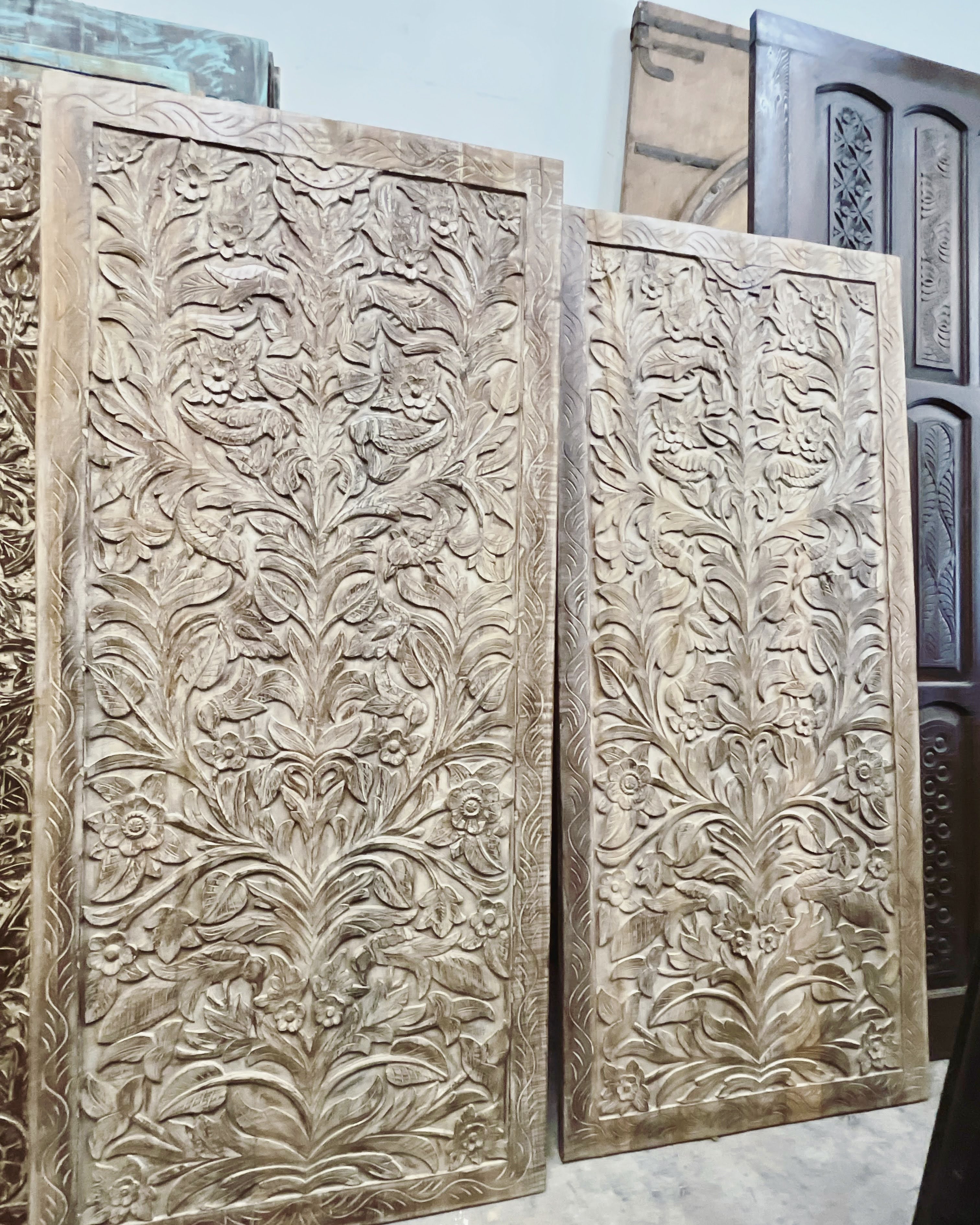
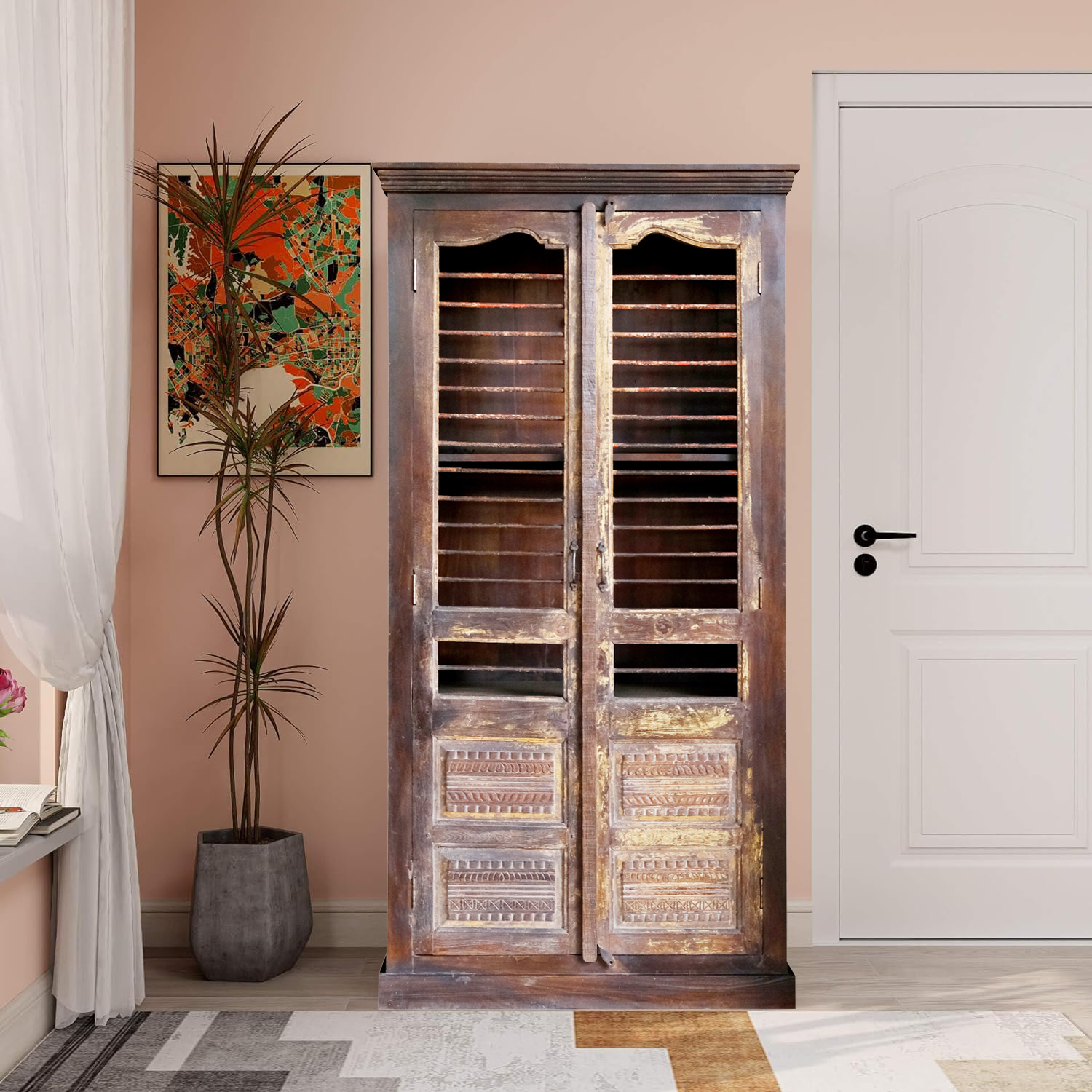
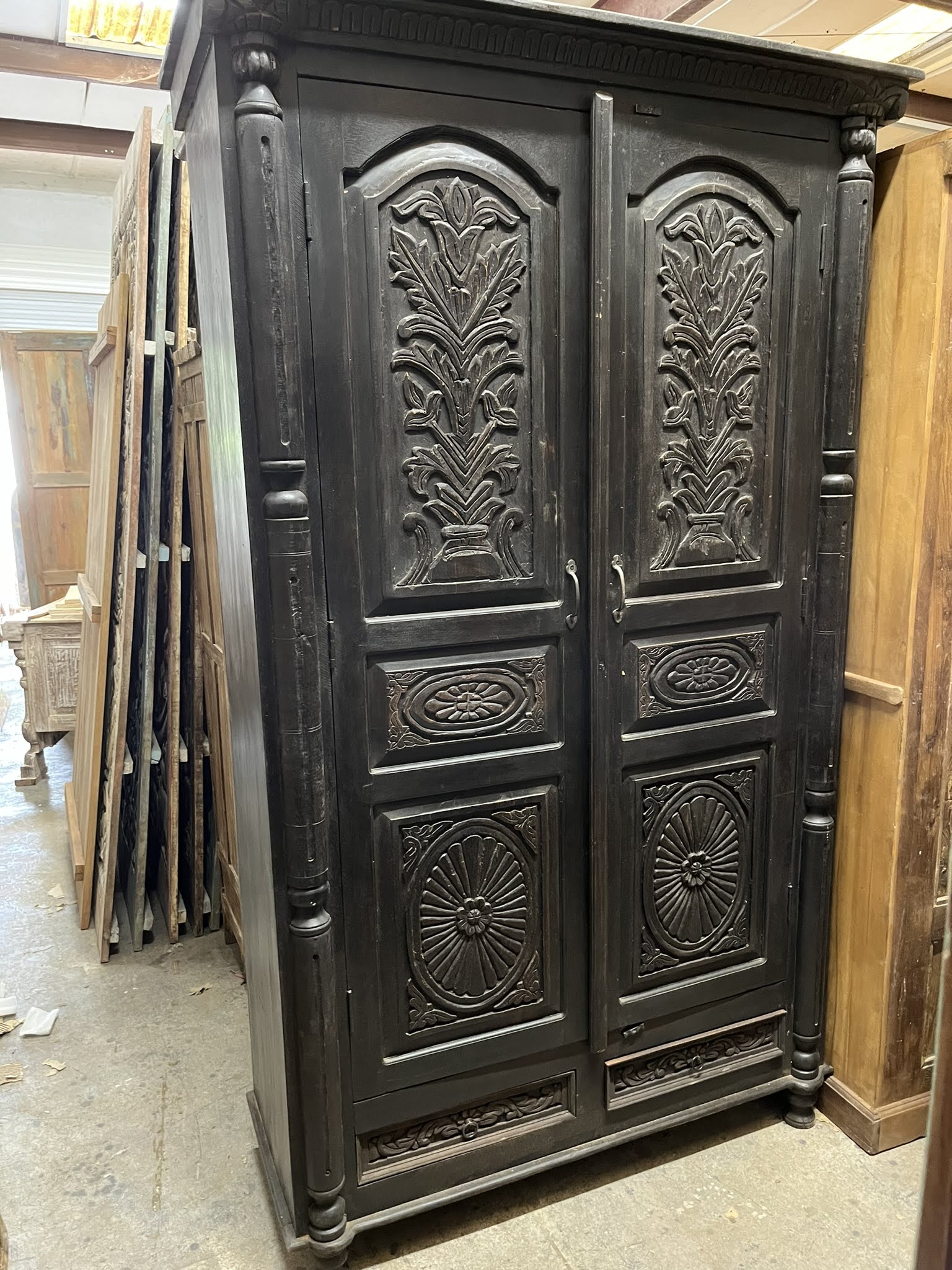
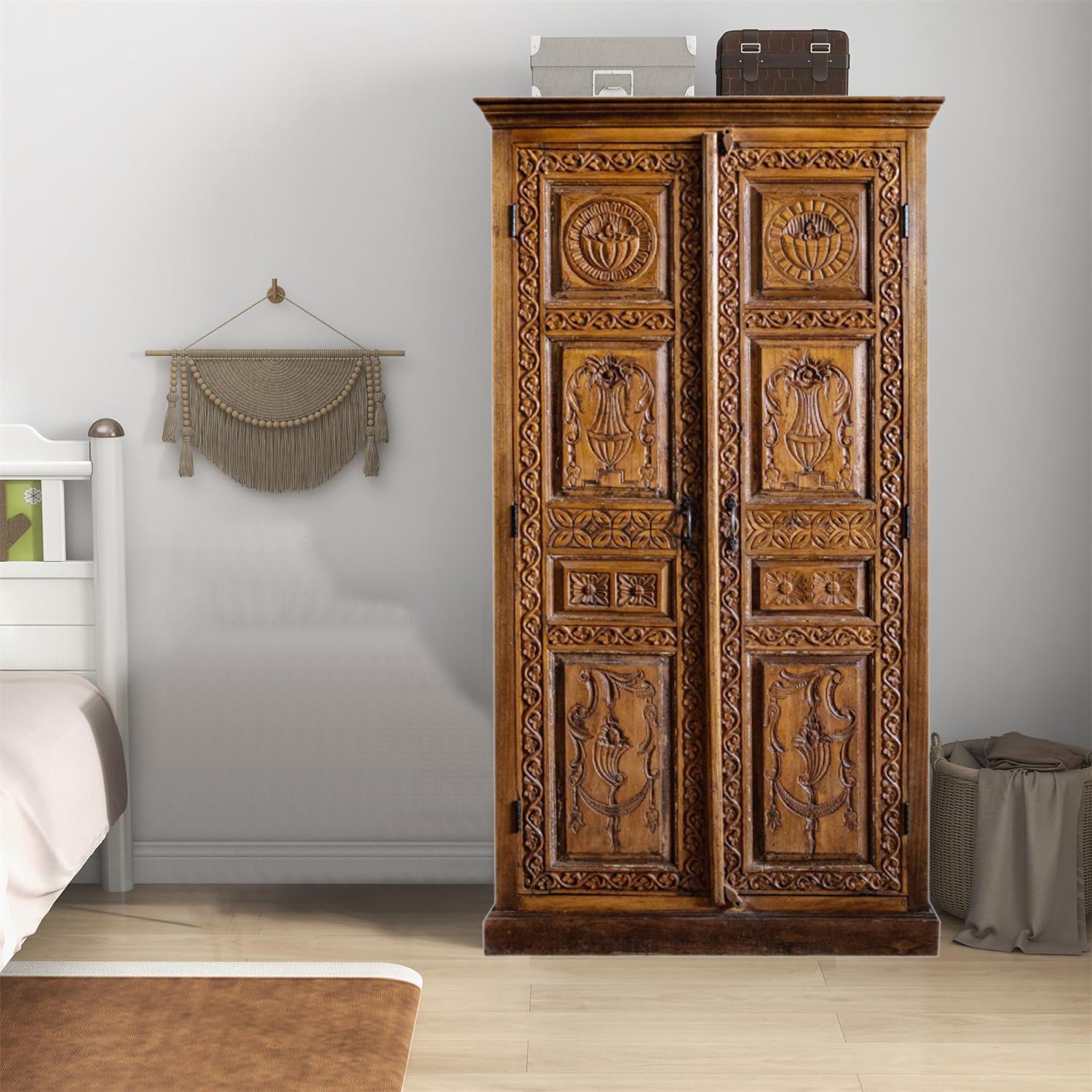
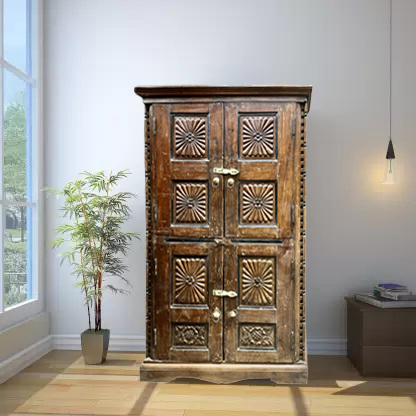
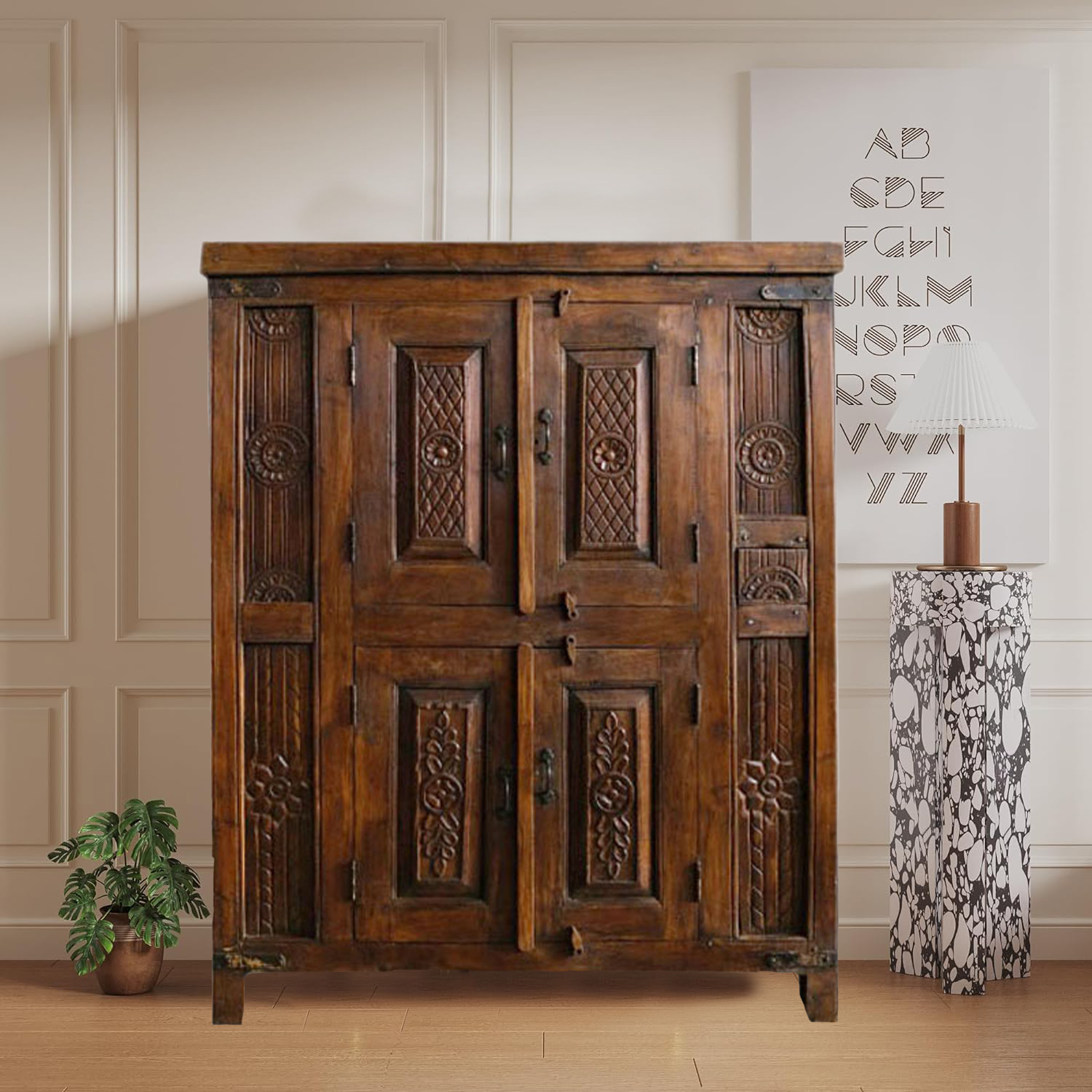
A Reclaimed Wood carved door with a Bodhi Tree of Life Carving can bring a natural and earthy elegance to a bedroom, enhancing the overall harmony of the space. Similarly, a Vintage Natural Wood Carved Sliding Barn Door can add warmth and character, seamlessly blending with other design elements to create a harmonious environment.



The Impact of Balanced Spaces
Balanced spaces contribute significantly to our well-being. They provide a sense of stability and calm, reducing stress and enhancing our overall quality of life. Whether it’s a home, office, or studio, the principles of rhythm and harmony are essential in creating environments that support our mental and emotional health.
 Royal Bohemian Luxe